The Visual Toolbox - Book Review (Lesson 1 - 3)
&layout=none&ref=https://www.christinabengephotography.com/blog/2025/3/the-visual-toolbox---book-review-lesson-1---3)
I am doing book reviews to relaunch my love of photography after a long break and out of state move. The first book I have chosen to review is, “The Visual Toolbox – 60 Lessons for Stronger Photography” Written by: David DuChemin. You can find a copy here: https://www.amazon.com/Visual-Toolbox-Lessons-Stronger-Photographs/dp/013408506X Additionally mentioned is a podcast called: “Vision is Better Show” I reference Episode 36 – In this episode, David addresses questions about vision, craft, and gear. You can find it here: https://davidduchemin.com/2016/03/vision-is-better-episode-36/
LESSON 1: Consider Your Vision
My Take aways:
- Absorb inspiration, not identity. Let other artists guide you, but let your own vision define you.
- Growth comes through actions, creativity thrives in the imperfect and the unexpected, and the more you create the more you grow.
- Invest in experiences, not just equipment. True growth comes from the moment you capture, not the gear you carry.
- Mastery is not a destination but a journey – one shaped by time, dedication and discovery. There are no hidden secrets in photography, only the fundamentals that truly matter: study relentlessly, practice consistently, and trust in your greatest artistic assets – imagination, passion, patience, curiosity, receptivity and the courage to bend the So called “rules” of composition.
- Growth lies not in perfection, but in exploration.
- No two eyes see the world the same way, and every photograph is a reflection of an individual’s perspective. This uniqueness extends beyond the moment of capture – into the choices we make in editing or the decision to leave an image untouched. Your vision is yours alone; embrace it, shape it and let it speak through your art.
LESSON 2: Ask Better Questions
My Take aways:
- There is no single path to follow – only the one you carve for yourself. Your photographic journey is uniquely yours, shaped by your own vision, experiences and creative voice.
- Refine your creative vision by asking deeper, more intentional questions Break down your scene or subject, not just through the lens, but through thought. What story are you telling? What emotion are you conveying?
- Consider the technical aspects—what is the light doing, and how can you shape it? How would different lenses transform the scene? Analyze the lines, framing, and depth. Observe the elements within the composition—do they create a sense of rhythm and flow?
- Thoughtful questions lead to intentional images, and intentional images lead to powerful storytelling.
LESSON 3: Manual
My Take aways:
- Familiarize yourself with your camera, read the manual, explore its capabilities and become a master of its functions. The more you understand its potential, the more freely you can create.
Q1 - What does “vision” mean to you in photography?
After listening to Vision Is Better Show: episode 36, my impression is that A photographer’s voice is the distinct artistic interpretation and personal perception infused into every image. It is found in the choices made - what is captured, how it is framed, and how it is refined in post-processing - all seen through the lens of the photographer’s authentic vision. Over time, as their body of work expands, each image becomes a breadcrumb, subtly marking the path of their evolving style and perspective.
At the heart of this process lies vision and intent - the why behind the photograph. Why did you choose to capture this moment in this way? What are you aiming to express? How will you translate that vision into the final image? Photography is more than a visual record; it is a language of emotion. A powerful image doesn’t just show what something looks like—it conveys how it feels. Through composition, light, and creative choices, you are not merely documenting a scene, but inviting others to experience its essence
Q2 - How do you balance technical knowledge with creative expression?
I embrace playfulness in my photography, allowing creativity to guide me rather than being confined by the conventional rules of lighting, exposure, composition, or gear. I experiment freely - sometimes it works beautifully, and most of the time, it's a lesson learned.
I don’t wait for the perfect light, the ideal scene, or the ‘right’ moment - I simply create when inspiration strikes. I never force myself to shoot; instead, I wait for the creative spark (even if it’s a year or more :P), that undeniable urge to capture something meaningful. I photograph what I love, what moves me, and what compels me to frame, expose, and press the shutter.
This same spirit of exploration extends into my editing process. I find just as much joy in experimenting, making mistakes, and discovering new creative possibilities in Photoshop as I do behind the camera. For me, photography is not just about capturing - it’s about playing, learning, and evolving through every step of the process.
Q3 - Do you know the limits/possibilities of your gear?
I know my favorite lenses intimately and push them to their limits—does that count? 😊 This is something I’m continually learning, especially since I’ve accumulated quite a collection over the years. But I refuse to carry them all with me. Instead, I choose one or two lenses based on the situation and challenge myself to work with what I have in the moment.
That said, there are a few lenses I rarely reach for, and I know I need to push myself to use them more, to truly explore their potential. There have been plenty of times when I’ve thought, “I wish I had brought (usually the really large heavy zoom) lens for this,” but I never let that stop me. I make the most of what’s in my hands, finding a way to capture the shot regardless
My photographs -
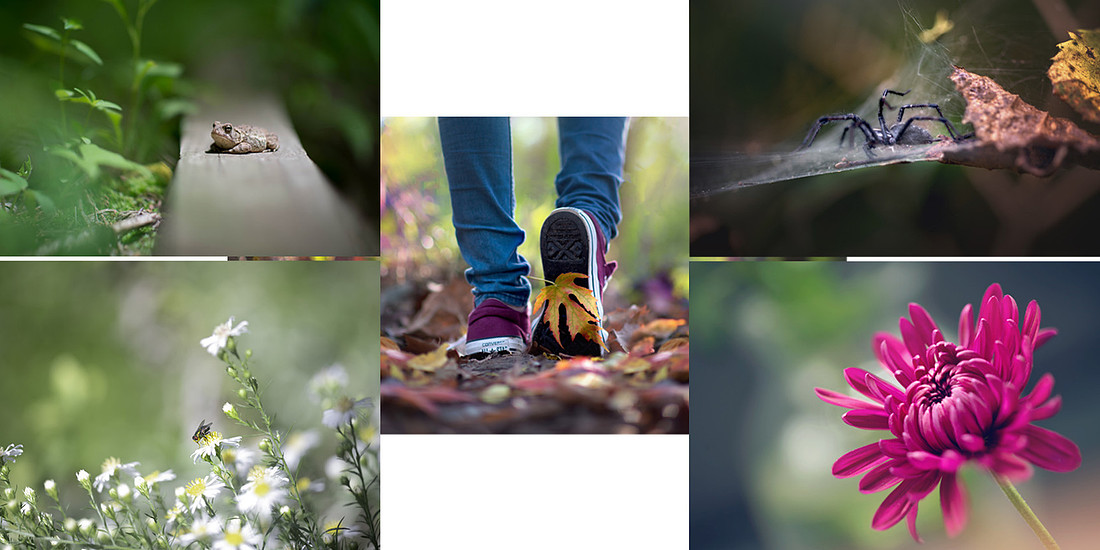
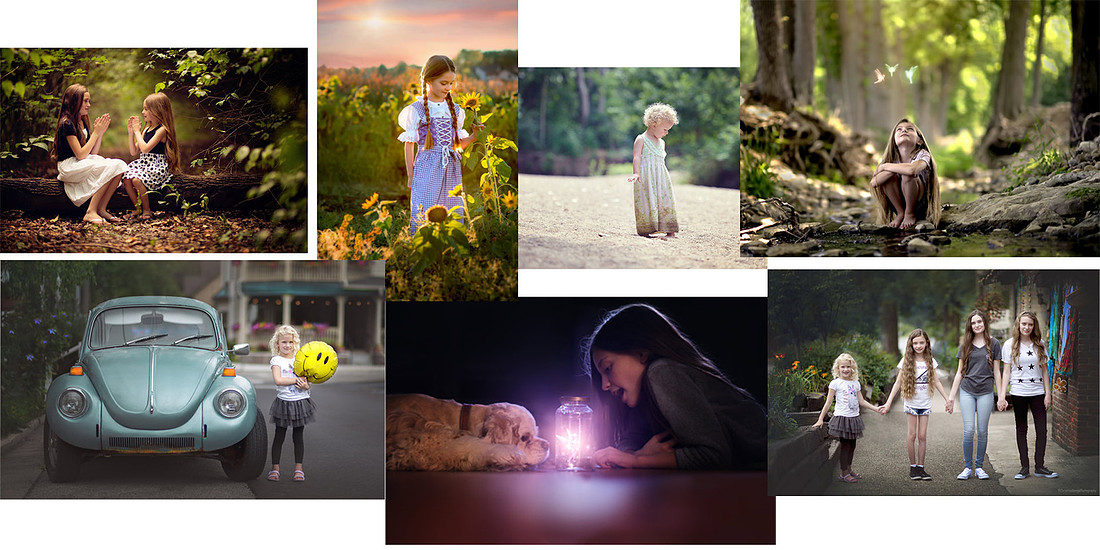
If I had to categorize my work, two genres immediately come to mind—children and nature. Yet, across both, I’ve realized a common thread in my approach: I instinctively isolate my subjects, drawn to the softness of bokeh and the way a blurred background allows the story to unfold around them. I tend to shoot wide, embracing the full scene rather than just a portrait, and I often capture my subjects from eye level or below, subtly making them feel larger, more significant within their space.
Most of my images are filled with color, emotion, and a quiet sense of storytelling—even in my nature photography. While I know the narratives behind each image, I’ve always been curious about how others interpret them. Do they see what I see? Do they feel what I feel? Not that it would ever change the way I connect with my work, but I find the dialogue between artist and viewer fascinating. If you've taken the time to look through my images, I’d love to hear what stands out to you.
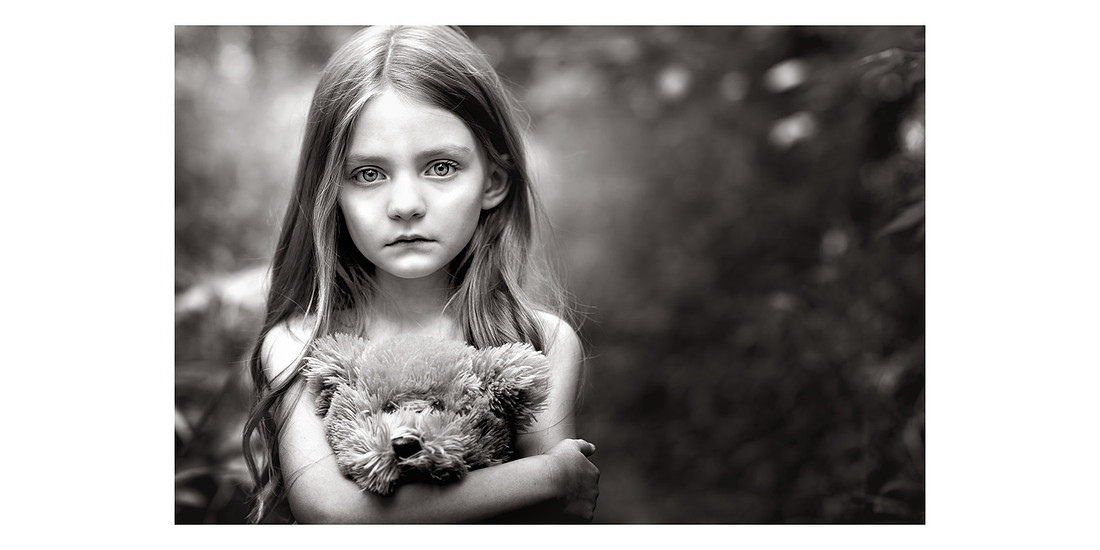
One image, in particular, holds a special place in my heart. It’s different from the rest, and maybe that’s why I treasure it most. Interestingly, whenever I’ve shared it, the feedback I receive is often heavy - people interpret it as sorrowful, evoking themes of abandonment or sadness. But for me, and for her, it’s something entirely different.
The girl in the image is my daughter. She appears in several of my photographs, but this one is unlike any other I’ve taken. That day, we were out capturing her with her favorite teddy bear when she accidentally slipped in the mud, staining the bottom of her dress. Being the girly girl she was, she was livid. I reassured her, saying, ‘Look, if I frame it this way, no one will even see the dirt!’ The moment she saw that on the back of my camera, she immediately perked up. But when I looked at the image later, something about it struck me - it wasn’t just the moment, but the rawness of it, the depth of expression I hadn’t consciously set out to capture.
I’ve never been one to force my camera on my children in moments that feel too vulnerable. I believe there are times to put the camera down - to hug, to talk, to simply be. This remains the only image I’ve ever taken where one of my children appeared upset, and that, in itself, makes it unique to me.
Ironically, she was always my child with big emotions - her feelings were grand, her reactions legendary. Even today, we laugh about her childhood dramas, like the morning she was inconsolable over the uncomfortable lining of her socks before school. It became a family joke - whenever one of us is being overly dramatic, we ask, ‘Is it the sock lining? Did you get your dress dirty? Should I grab the camera?’ Without fail, it makes us laugh and lightens the mood.
Even though it’s one of my most treasured images, I sometimes hesitate to share it, worried about how it might be perceived. It’s not a ‘typical’ portrait; it doesn’t fit into the standard mold. But that’s precisely why I love it. It’s real, it’s raw, and it’s ours. And as David Duchemin teaches, the most powerful images aren’t the ones that show what something looks like - but what it feels like.